

Attractions in Jordan – Top Places to Visit + Hidden Gems
Discover the best attractions in Jordan: Petra, Wadi Rum, Dead Sea, Jerash, plus hidden gems, travel tips, and real local insights.
Jordan is a country we keep rediscovering again and again. Even though we live here, it still surprises us with how much variety it offers in such a small space.
One weekend we can be walking through Roman ruins in Jerash, another time watching the sunset in Wadi Rum, and in winter, when Amman feels cold and grey, we often escape to the Dead Sea because it is usually around 10 to 13 degrees warmer and gives us the sun and warmth we miss in the city.
What we love most about Jordan is this contrast. Petra feels completely different from the forests of Ajloun, the Dead Sea feels different from the mountains around Dana, and Wadi Rum feels like another planet altogether.
That is exactly why we created this guide — to help you understand not only the most famous attractions in Jordan, but also how different they feel, what makes them special, and which ones may suit your trip best.
Whether you are visiting Jordan for a few days or planning a longer road trip, this page will walk you through the top attractions in Jordan, from must-see highlights to places that deserve more attention.
👉 If you are planning your trip, start with our Jordan Travel Guide for practical tips, transport advice, and itinerary ideas.
Quick Facts About Attractions in Jordan:
Top places to visit in Jordan: Petra, Wadi Rum, Dead Sea, Jerash
Best time to visit Jordan: March–May and September–November
Amman to Petra distance: ~3 hours by car
Amman to Dead Sea distance: ~45 minutes
Petra to Wadi Rum distance: ~1.5 hours
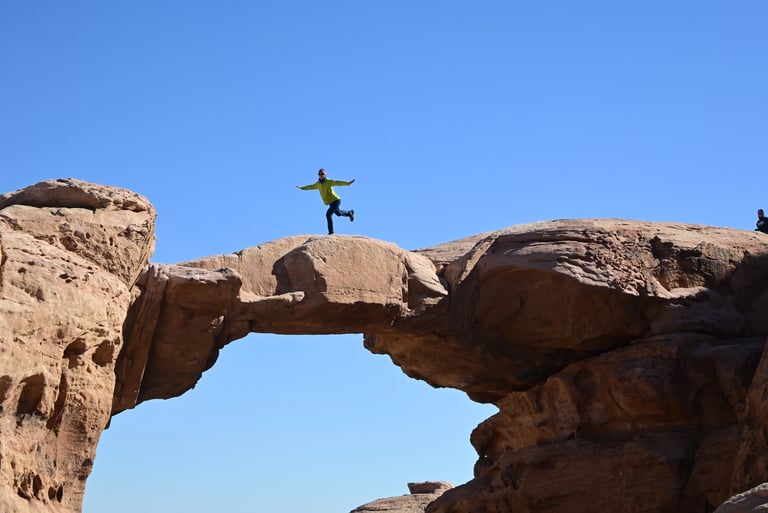
North Jordan Attractions (Nature & Quiet Places)
North Jordan is often skipped, but it offers a completely different side of the country. It’s greener, less crowded, and more relaxed.
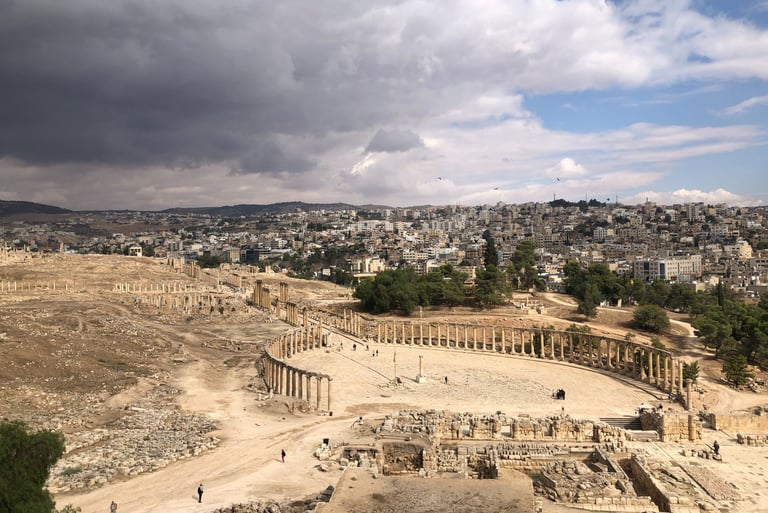
Jerash:
Jerash is one of the easiest day trips from Amman and one of the best-preserved Roman cities you can visit. It doesn’t require complex planning, but knowing how to structure your visit makes a difference.
In our Jerash day trip guide from Amman, we explain what to see, how long to stay, and how to organize the trip efficiently.
Ajloun:
Ajloun feels completely different from the rest of Jordan. Forests, hills, and hiking trails make it one of the most unexpected regions.
Ajloun also has a very nice cable car center which has a route over the forests, its an interesting experience especially by sunset time, to know more about prices and tickets, we prepared a full guide about Ajloun cable car.
The first time we went there, we didn’t expect much — and it ended up being one of the places we appreciated the most.
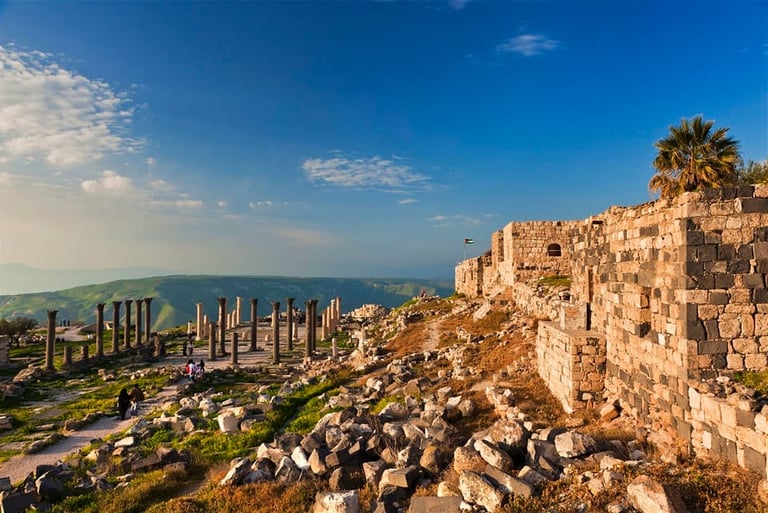
Umm Qais:
A quiet historical site with wide views over Palestine, Syria, and the Sea of Galilee.
It’s not about big monuments — it’s about atmosphere, especially around sunset.
Central Jordan Attractions
(Amman & Surroundings)
Central Jordan is where most trips begin and where logistics are easiest.
Amman (Citadel & Downtown):
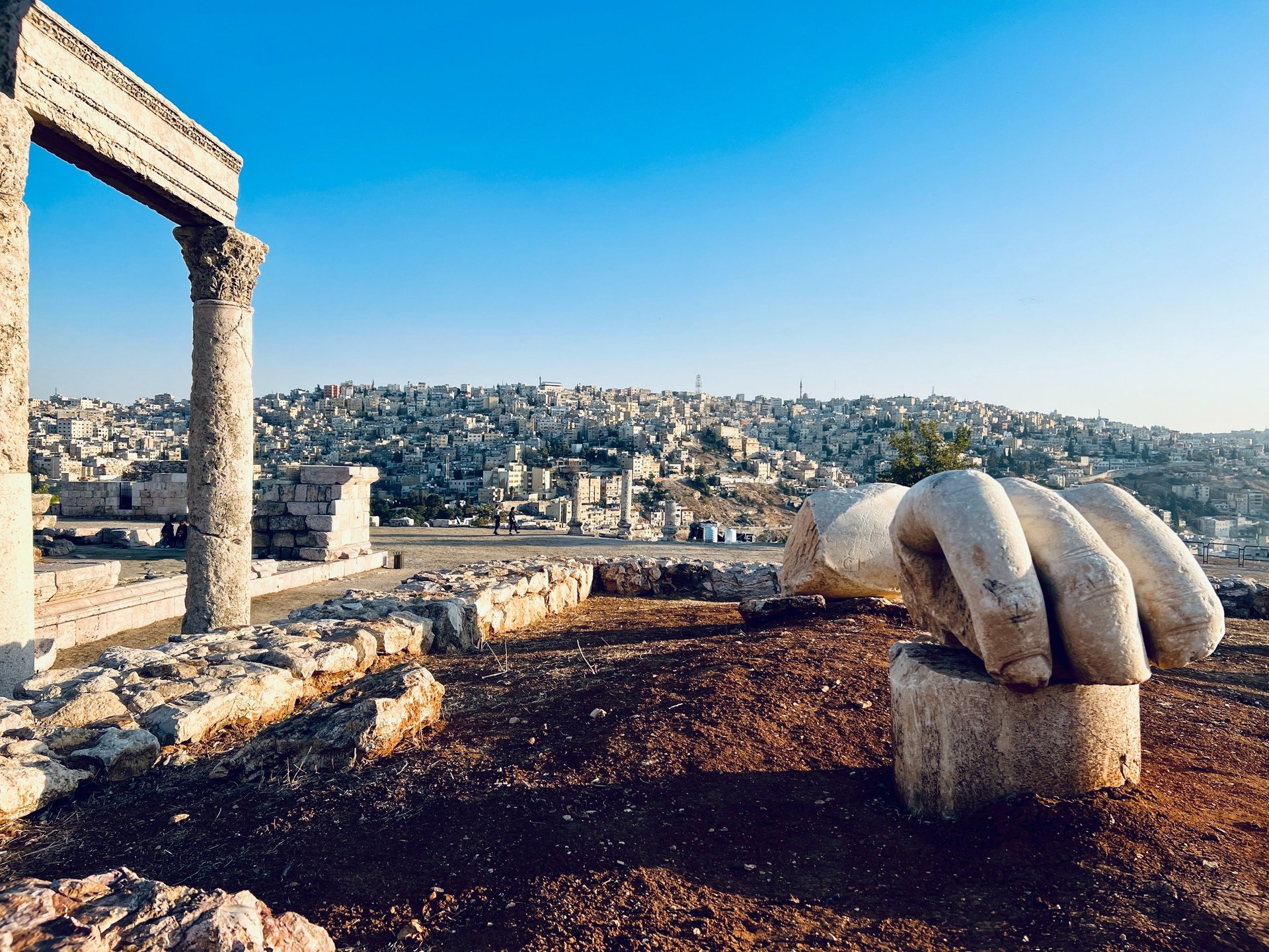
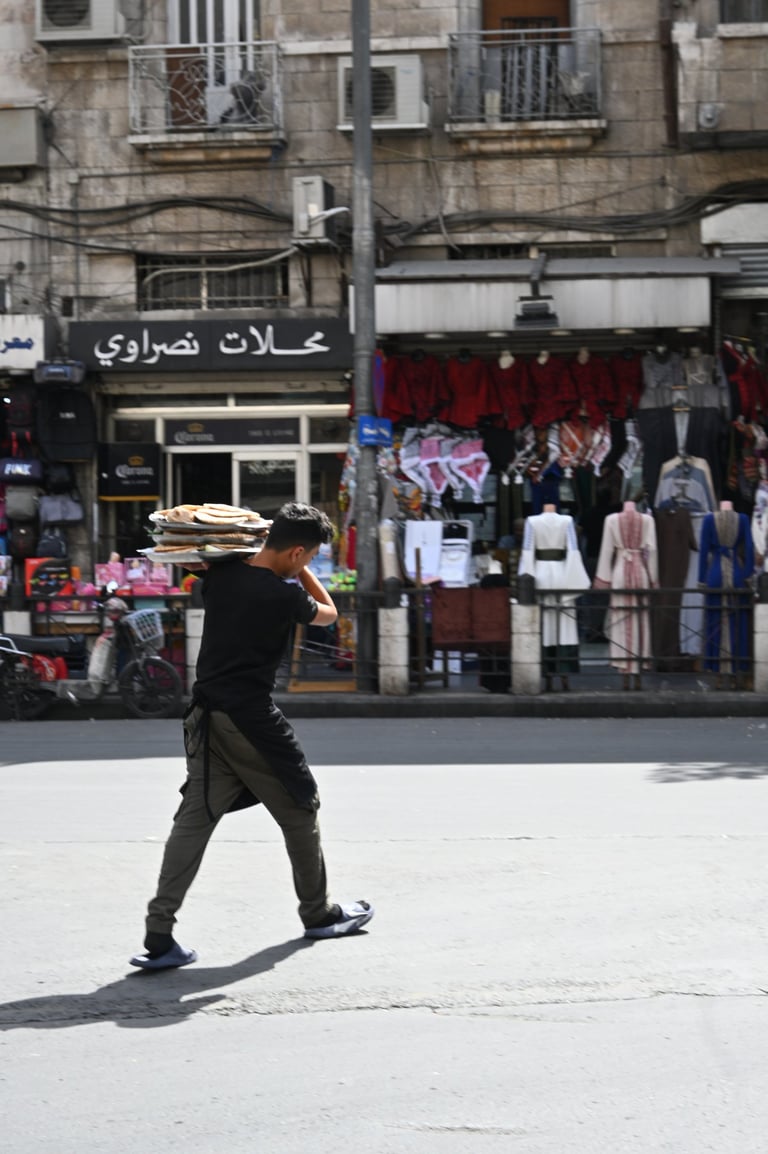
Amman gives you context for everything else. The Citadel offers panoramic views over the city, and downtown is where you experience everyday life, food, and culture.
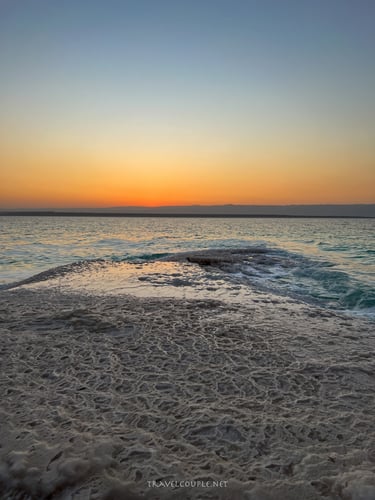
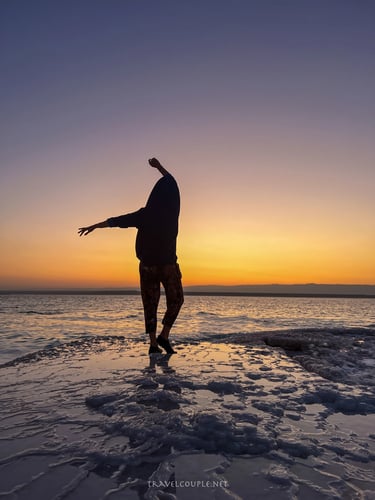
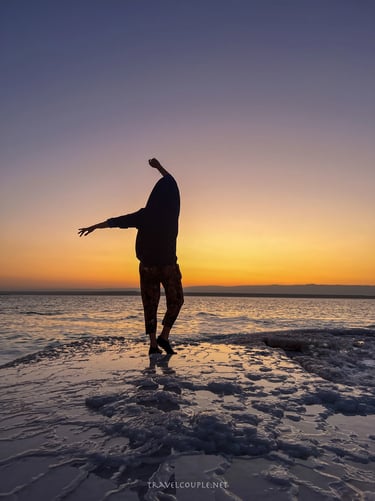
Dead Sea:
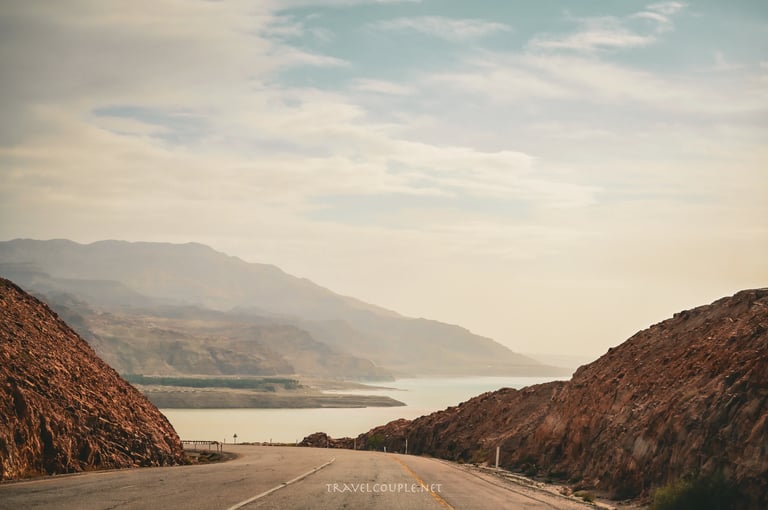
One of the most unique places to visit in Jordan. Floating here is simple in theory, but in reality, choosing the right access point and timing matters more than people expect.
In our Dead Sea travel guide, we explain where to go, what to avoid, and how to plan your visit properly.
We personally go there often in winter, when it’s warmer than Amman and much more comfortable.

Madaba & Mount Nebo:
These are usually combined into one trip with the Dead Sea.
Madaba is known for its mosaic map, while Mount Nebo offers wide views over the Jordan Valley.


South Jordan Attractions
(Iconic Experiences)
South Jordan is what most people imagine when they think of the country.
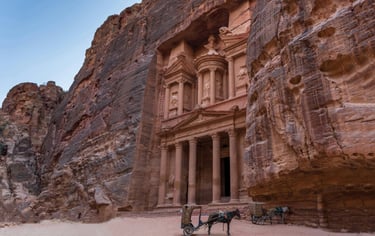
Petra:
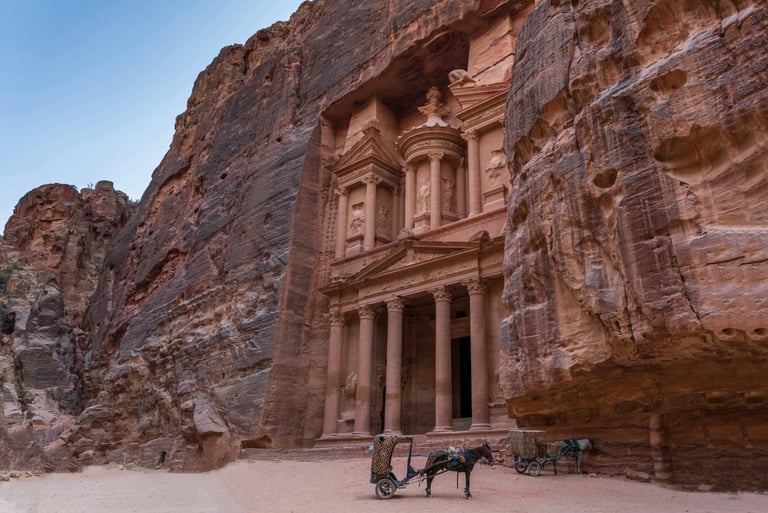
Petra is the most famous attraction in Jordan, but it’s not just about seeing the Treasury and leaving. It requires time, walking, and some planning to experience it properly.
In our Petra travel guide, we explain how to structure your visit, which routes are worth it, and how to avoid the biggest mistakes.
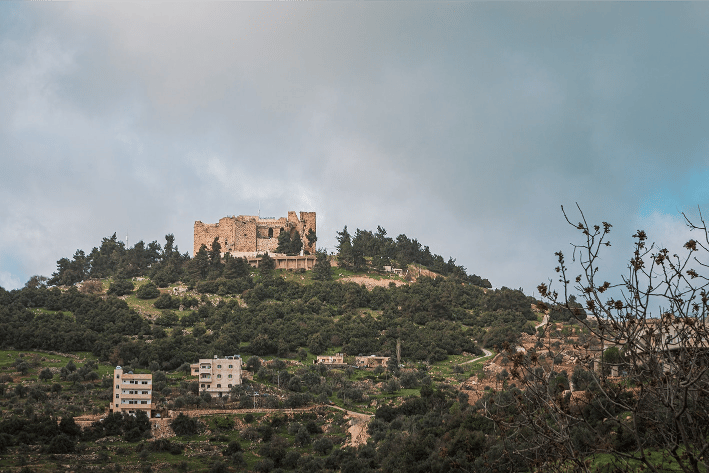
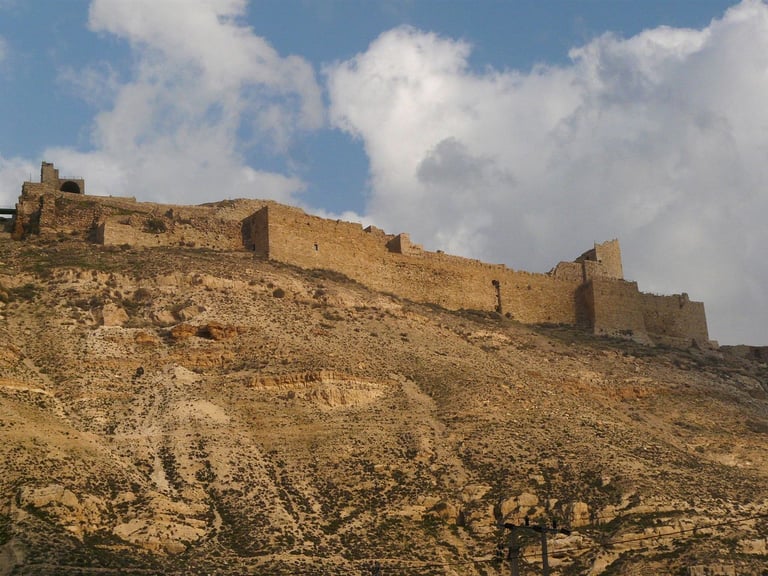
Al Karak:
Al Karak Castle, a Crusader fortress in Jordan, offers a glimpse into the region's turbulent past.
Perched on a hilltop, its imposing walls and underground passages reveal its strategic importance in medieval conflicts.
Exploring Al Karak is a fascinating journey into military architecture and history.
Wadi Rum:
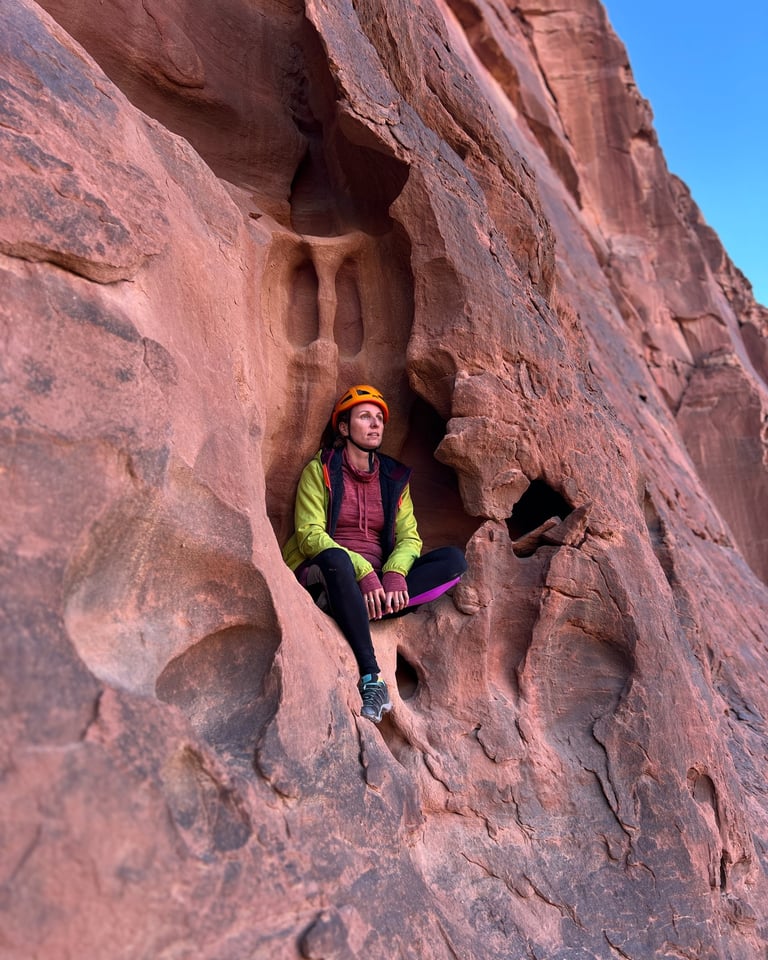
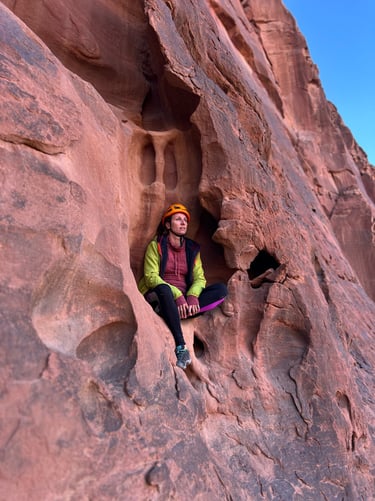
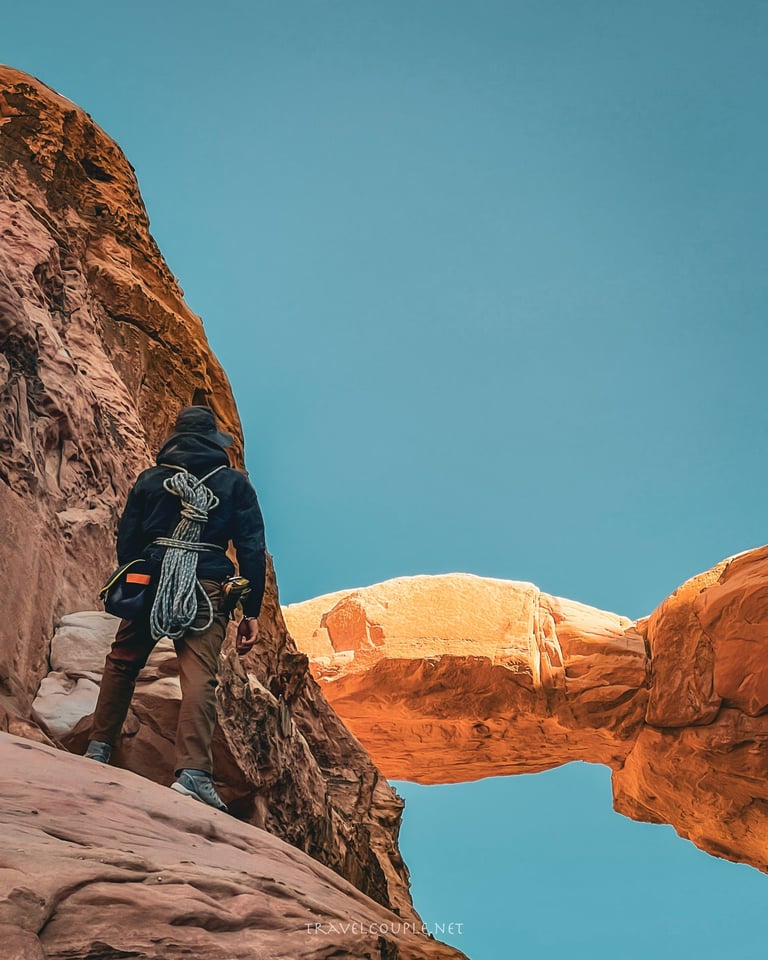
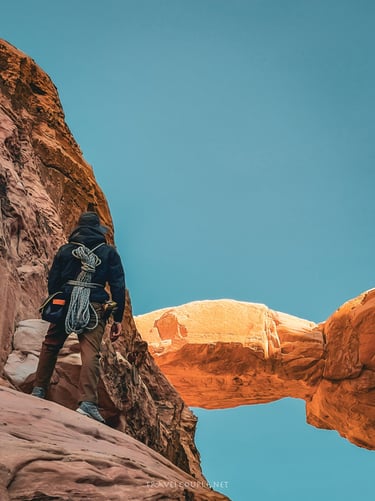
Wadi Rum feels like a different planet. Spending a night in the desert, watching the stars, and waking up in complete silence is something we always recommend.
Choosing the right camp and tour matters more than people think. In our Wadi Rum guide, we break down how to choose a camp, what tours are worth it, and what to avoid.
Best for: desert experience, stargazing, adventure
Aqaba:
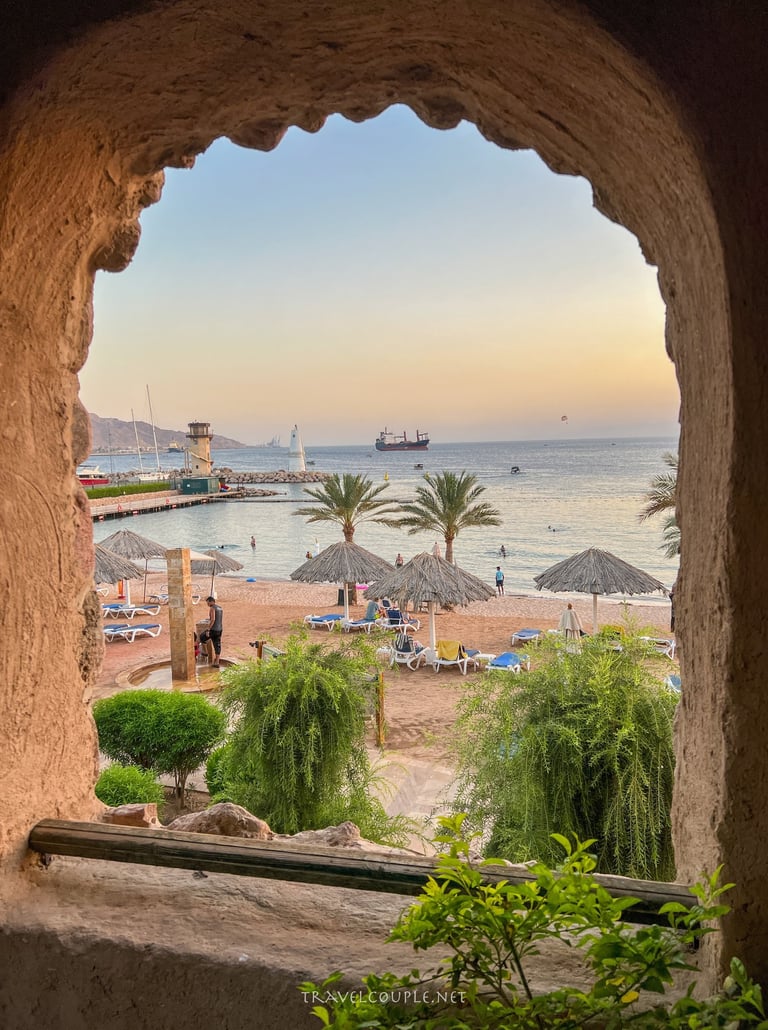
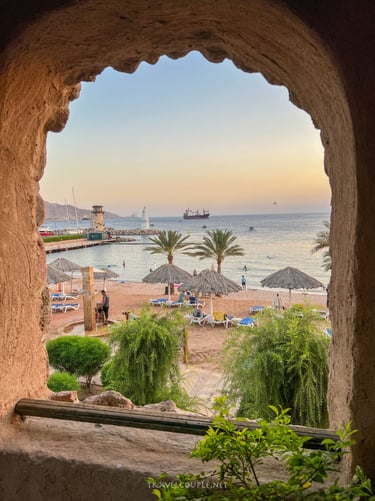
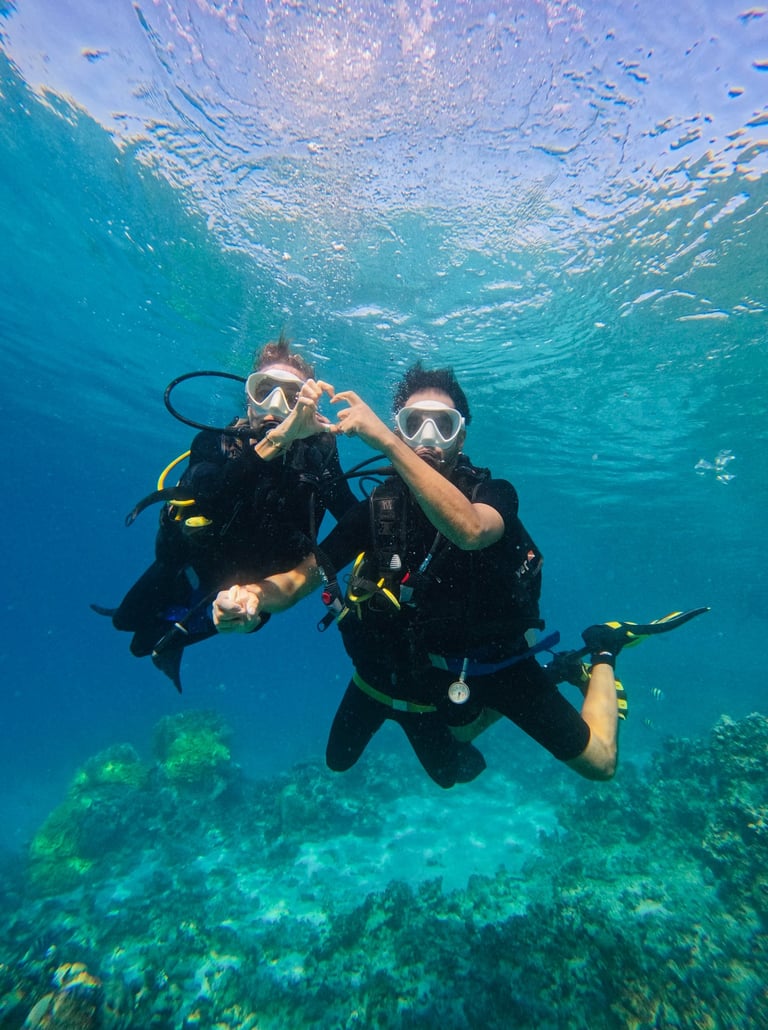
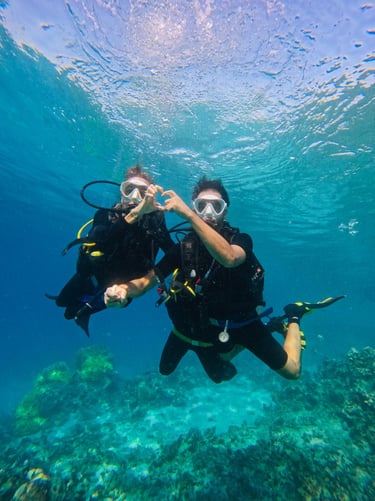
Aqaba feels completely different from the rest of Jordan. It’s warmer, more relaxed, and perfect if you want sea, snorkeling, or diving.
For many travelers, this is the best place to unwind after visiting Petra and Wadi Rum.
Canyons
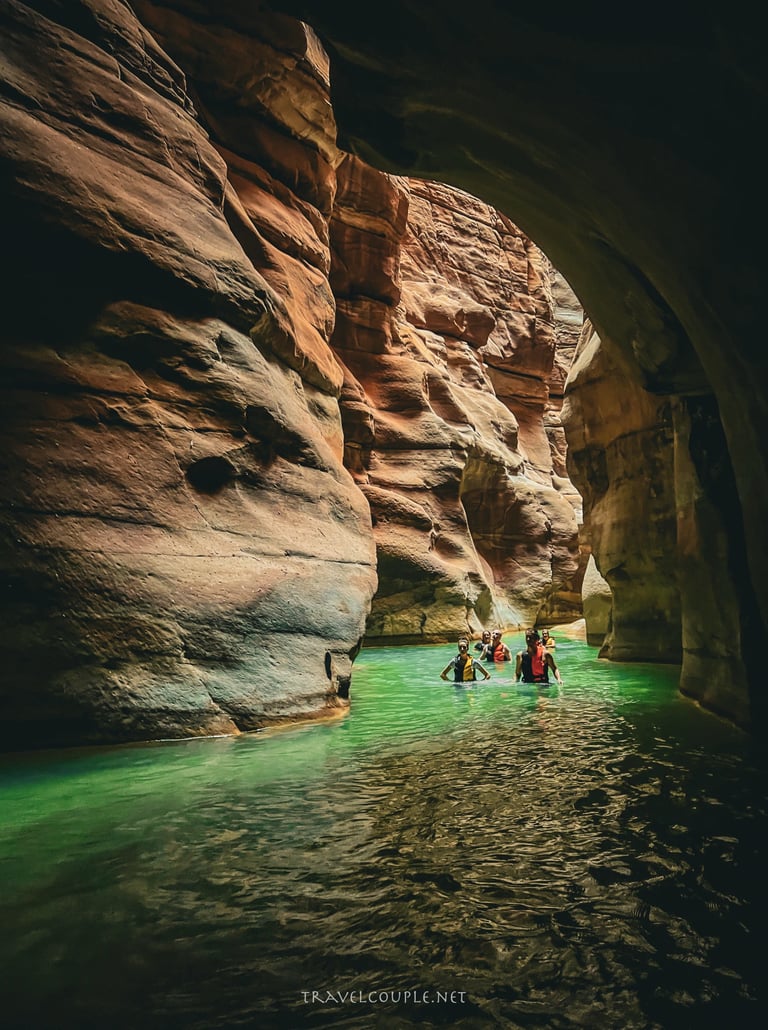
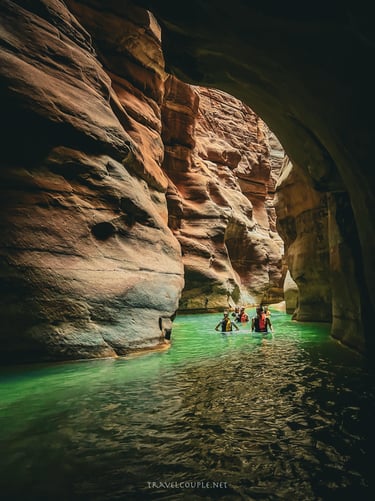
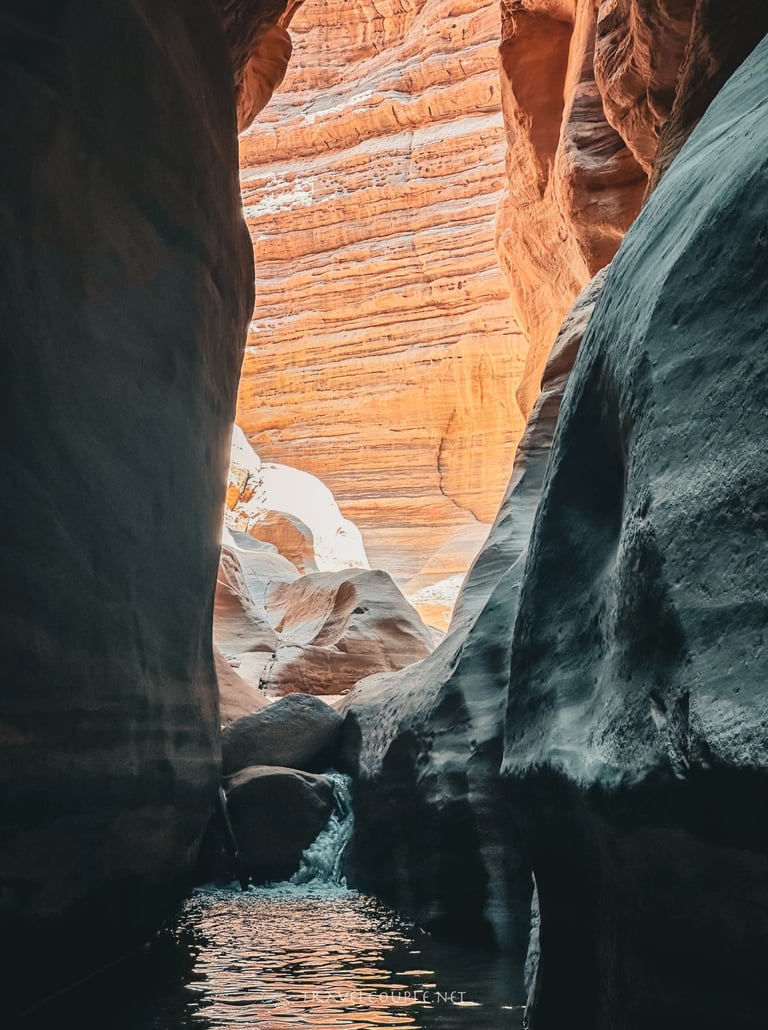
One of the things that keeps surprising us most about Jordan is how many canyons (wadis) the country has. Most people focus on Petra and Wadi Rum, but exploring a wadi can easily become one of the most memorable parts of the trip.
Some of the best canyons in Jordan include Wadi Mujib, Wadi Numeira, Wadi Mukheiris, and several smaller wadis spread across the north and south of the country. These are not just viewpoints — you move through them. You walk in water, pass between high rock walls, and sometimes climb or swim, which makes it feel more like an experience than a typical hike.
Upper Himara Canyon (Slightly More Challenging): Still family-friendly, but expect some rock steps and light climbing. It’s not difficult, but you need basic confidence and good footing.
Wadi Numeira (Easy Walk + Short Swim): An easy canyon walk that ends with a short swim of around 20 meters. Simple, scenic, and one of the most accessible options.
Wadi Attoun (Easy + Hot Waterfall): A very easy walk through a beautiful canyon, ending with a natural hot waterfall. Short and rewarding without much effort.
Wadi Mujib (Most Famous Canyoning Experience): The most popular canyoning experience in Jordan. Expect walking through water, climbing small obstacles, and narrow canyon sections. It depends on the season and water levels, so always check conditions before visiting.
Wadi Mukheiris (Scenic Water Hike): One of the most beautiful canyon hikes in Jordan, combining water, rock scrambling, and narrow passages. A good option for more active travelers. In our Wadi Mukheiris canyon guide, we explain what to expect and how to plan it.
Wadi Ibn Hammad (Family-Friendly + Hot Springs): Around 2 km one way, easy to follow, with water, greenery, and warm springs. There’s also a small visitor area with basic facilities. Best combined with Karak Castle.
Wadi Al-Rayan (Green Valley in the North): A very different landscape — green, open, and relaxed. The trail is around 6 km, with a gentle stream and old olive trees. Very family-friendly.
Planning how to move between different regions of Jordan is where many travelers make mistakes. The country may look small on the map, but trying to cover the north and south in just a few days usually leads to rushing and a poor experience.
In most cases, it makes more sense to combine Petra and Wadi Rum into one part of your trip, while the Dead Sea is easiest to visit from Amman or Madaba as a separate day or short stay.
North Jordan, including places like Jerash and Ajloun, also works best as a dedicated day trip rather than something you try to squeeze in between longer drives.
If you want to connect all of these regions into a realistic and efficient route, our Jordan itinerary guide explains how to plan distances, timing, and stops without wasting time or energy.
How to Plan Between Regions
Travel Times That Matter
Amman → Jerash: ~1 hour
Amman → Dead Sea: ~45 minutes
Amman → Petra: ~3 hours
Petra → Wadi Rum: ~1.5 hours
Ignoring these distances is one of the fastest ways to ruin your itinerary.
FAQ – Attractions in Jordan
What are the main attractions in Jordan?
Petra, Wadi Rum, Dead Sea, and Jerash are the most popular places to visit.
How many days do you need in Jordan?
5–7 days is ideal to see the main highlights without rushing.
What is the best time to visit Jordan?
Spring and autumn offer the best weather conditions.
Is Jordan safe for tourists?
Jordan is generally safe, but always check current travel updates.
Get in touch


Home | Jordan | Blog | Services | About | Contact | Privacy Policy | Terms of Use | Refund & Payment Policy
© 2026 Travel Couple